Quick Links
I live in Japan and pay for things here every day — mostly by credit card through Apple Pay. Based on that daily experience, here is what actually works for travelers, including the places where only cash will save you.
Quick Answer
- Bring both cash and a card because Japan still has places that do not accept international cards.
- Use an IC card like Suica for trains, convenience stores, and small everyday payments.
- Keep cash as a backup for rural areas, street food, temples, and smaller local businesses.
1. Introduction
Visiting Japan and unsure whether to rely on cash or cards? Japan’s payment landscape has evolved, blending traditional preferences for cash with growing digital solutions. This guide will help you decide what’s best for your travel needs in 2025.
2. Cash in Japan
Cash remains widely used, especially in small shops, traditional restaurants, and rural areas. ATMs that accept international cards are available at 7-Eleven, Japan Post Bank, and Lawson. Be prepared with yen for daily purchases.
From experience, Seven Bank ATMs really are everywhere — not only in convenience stores but inside shopping malls and even at subway stations. Running low on cash is usually solvable within a few minutes’ walk in any city.

Where cash is still a must (from daily experience): family-run restaurants, game centers (crane games and gacha machines), shrine offering boxes and small souvenir stalls, and some local taxis and eateries outside the big cities. Keep coins and a few thousand yen on you for these.
3. Credit and Debit Cards in Japan
Credit and debit cards are widely accepted in major cities, department stores, and hotels. Visa and Mastercard are the most accepted. However, many small businesses still prefer cash.
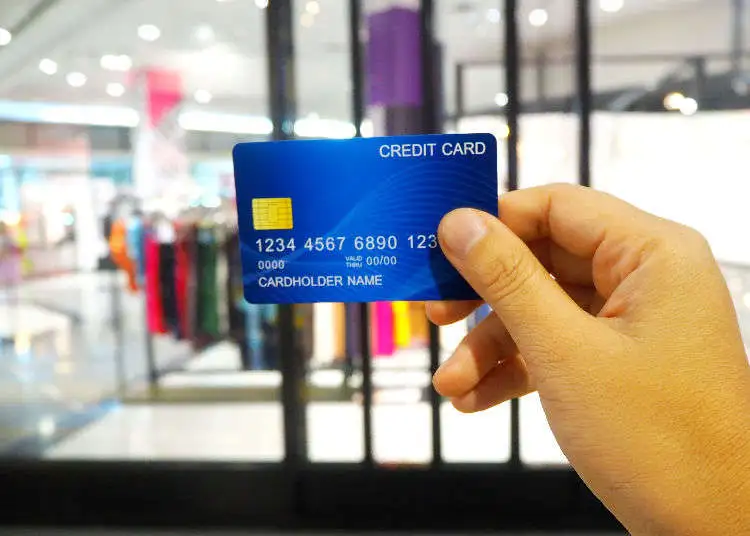
Pro Tip: Some places may require a minimum charge for card use or decline international cards—always check in advance.
4. IC Cards (Suica, PASMO, etc.)
IC cards like Suica, PASMO, or ICOCA are prepaid travel cards for public transport. They also work at convenience stores, vending machines, and some restaurants.
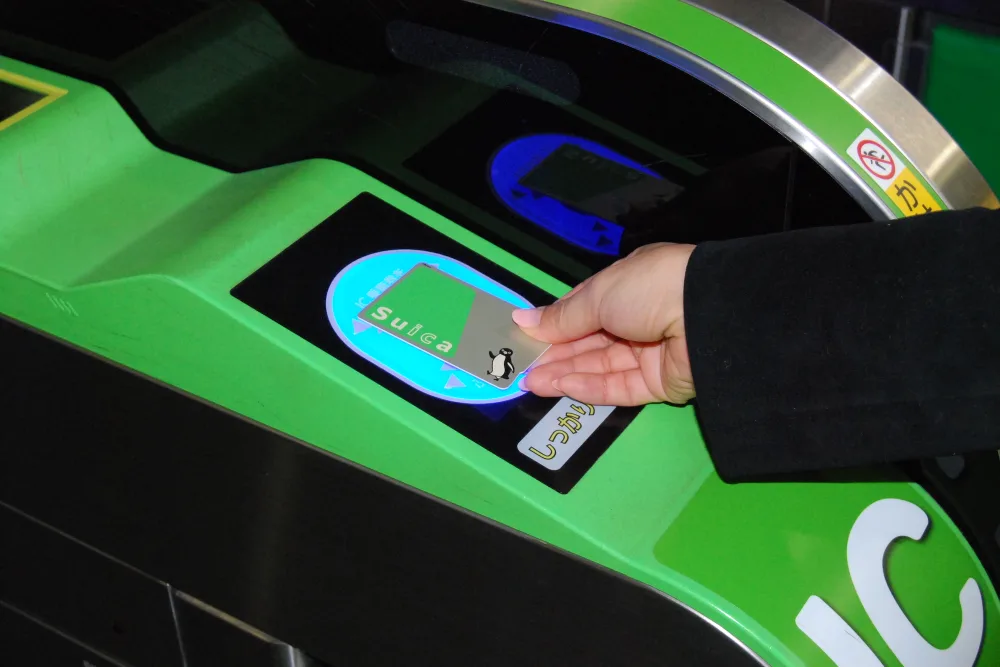
IC cards are easy to recharge at station kiosks and great for short-term stays. They reduce the need to carry change.
How I actually charge mine: with the mobile Suica app, I top up directly from my credit card via Apple Pay. If you use a physical card like Welcome Suica, you charge it with cash at station ticket machines or Seven Bank ATMs — both are everywhere.
Official Suica Guide (JR East)
Recommended next read
If you want to use trains, buses, and convenience stores more smoothly, read our Welcome Suica Mobile guide for a simple step-by-step setup.
5. Mobile Payment Apps
Popular mobile apps include PayPay, Rakuten Pay, d払い, Apple Pay, and Google Pay. While local apps may require Japanese accounts, Apple Pay and Google Pay work with global credit cards in many stores.

Note: Check if the store supports the specific app before relying on mobile-only payments.
6. Comparison Table
| Method | Where It’s Accepted | Best For | Notes |
|---|---|---|---|
| Cash | Everywhere | All travelers | Essential in rural areas |
| Credit/Debit Cards | Cities, hotels, stores | Business travelers | Check for minimum purchase |
| IC Cards | Trains, stores, vending | Short-term visitors | Can be recharged easily |
| Mobile Payments | Convenience stores, chains | Tech-savvy users | May require Japanese setup |
Best setup for most first-time visitors
For most travelers, the safest combination is one major credit card + some cash + one IC card. This covers transport, convenience stores, restaurants, and small shops without stress.
7. Best Choice by Situation
- City explorer: Use IC card + credit card combo
- Countryside adventurer: Bring enough cash
- Business traveler: Credit card for expenses, IC for transport
- Tech-savvy tourist: Use Apple Pay or mobile wallet + backup cash
8. Tipping in Japan: A Resident’s Honest Guide
Short answer: tipping is not expected in Japan. Service comes from a culture of omotenashi (hospitality), and most staff will politely decline a tip.
That said, here is the nuance you will not find in most guides: if someone takes care of you personally — a room attendant at a hotel, a taxi driver who goes out of their way — you can offer a small tip as a gesture of gratitude. They will usually decline at first. If you gently insist two or three times, many will accept it warmly. Japanese people are genuinely touched by this kind of thoughtfulness from visitors.
And if tipping feels awkward, a short thank-you note left for the staff is just as appreciated — sometimes more. A few words in English are perfectly fine.
Q: Should I tip in Japan?
A: No — tipping is not expected and is often declined. For personal service, a small tip offered with gentle insistence, or a simple thank-you note, is a lovely gesture that will be warmly received.
9. Tips & Warnings
- Don’t assume all stores accept cards—even in Tokyo.
- Some ATMs may not work with foreign cards—use 7-Eleven or Japan Post.
- Always have 5,000–10,000 yen in cash as a fallback.
Also prepare your phone setup
Payments are only one part of a smooth trip. Before you arrive, make sure your internet access is ready too. Read our Japan SIM, eSIM, and Pocket Wi-Fi guide to choose the best option for your trip.