
- Introduction: Why Surviving the Japanese Summer Is a Real Challenge
- Hidden Cool Spots You Won’t Find in Guidebooks
- 100-Yen Shop Survival Gear: Beat the Heat Like a Local
- Convenience Store & Supermarket Hacks
- Local Hot Springs & Water Spots on a Budget
- Must-Have Apps & Services for a Hassle-Free Summer
- Common Summer Travel Mishaps in Japan (and How to Avoid Them)
- Summary & Related Articles
Introduction: Why Surviving the Japanese Summer Is a Real Challenge
Japan’s summer—a season that many travelers dream of experiencing. But for most visitors, the reality is surprising: extreme heat, sticky humidity, and a wave of fatigue can turn sightseeing into a real struggle. In 2025, global climate change is bringing even hotter days across the country.
While Instagrammable landmarks and famous festivals are tempting, the real secret to a memorable and comfortable summer in Japan is knowing the “insider tricks” used by locals. My own journey from suffering to thriving in the Japanese summer began with advice from friends and longtime expats—tips and wisdom you won’t find in mainstream guidebooks.
This article is a deep dive into the local perspective: how to beat the heat, save money, and discover unique spots that even many Japanese don’t talk about online. If you want a truly cool (and cultural!) adventure this summer, you’re in the right place.

Hidden Cool Spots You Won’t Find in Guidebooks
Japanese summers can be brutal. Temperatures soar above 35°C (95°F), and humidity makes every step heavier. But locals know how to escape—and now you will too.
1. Underground Cities: Survive in Style
Cities like Osaka, Nagoya, and Tokyo have sprawling underground malls—real “cities beneath the city.” You’ll find air-conditioned walkways, endless cafés, shops, and rest areas. For example, Whity Umeda in Osaka and Sun Road in Nagoya offer cool, shaded routes for exploring and relaxing. In Tokyo, Yaesu Underground Mall is a life-saver for travelers waiting for trains or wanting to escape the sun. Even locals use these spots during heatwaves.

2. Free Public Lounges & Museum Lobbies
Many museums, libraries, and community centers in Japan offer free, air-conditioned lobbies. The National Museum of Western Art in Tokyo and Osaka City Central Library are perfect for a quiet, cool break—with free Wi-Fi and charging points. These are the hidden gems that locals use to recharge away from crowded cafés.
3. Libraries, City Halls, and Community Centers
Don’t overlook libraries and civic centers! These public buildings are open to everyone and often provide a peaceful, cool environment—ideal for a rest, a snack, or a quick phone charge. In summer, families and elderly locals flock here to escape the heat.
4. Rooftop Gardens and Café Spaces
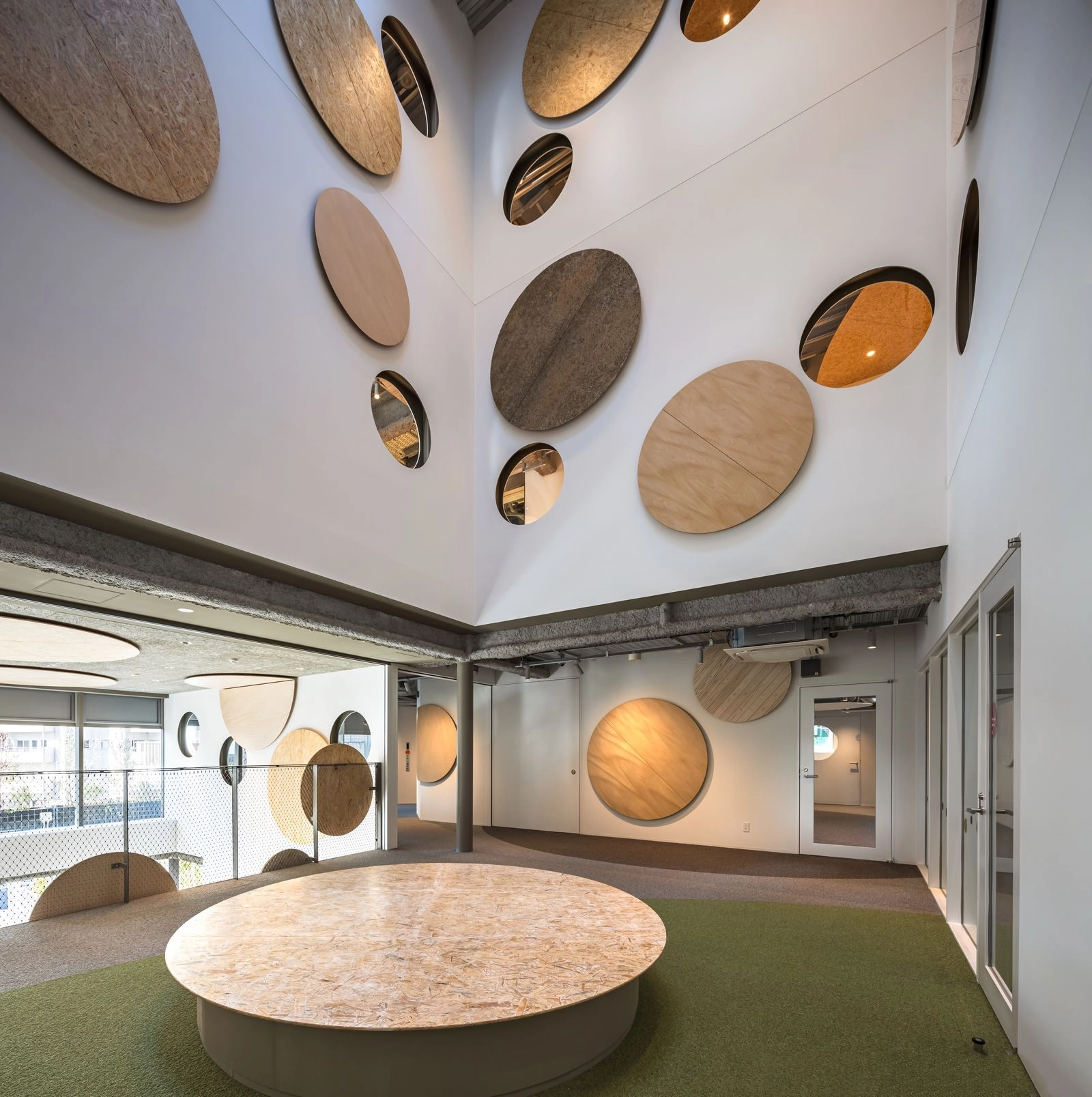
Department stores and malls frequently feature rooftop gardens or terrace cafés. Ginza Mitsukoshi and Shinjuku Isetan in Tokyo, or Takashimaya in Nagoya, all have lovely green spaces high above the crowds. Bring a drink, enjoy the breeze, and snap unique city photos.

5. True Local Favorites: Parks and Riverbanks Off the Tourist Trail
Venture away from tourist hotspots and you’ll find peaceful riverside parks and hidden picnic spots. In Tokyo, the Tama River parks are lively with locals in the evenings, while smaller neighborhood parks are often nearly empty. Use Google Maps to look for parks with fewer reviews for a quieter retreat.

Pro Tip: Plan your day around these cool zones, and you’ll save energy (and sweat) for the moments that really matter.
100-Yen Shop Survival Gear: Beat the Heat Like a Local
Humidity and heat are the two great enemies of a Japanese summer. Luckily, Japan’s 100-yen shops (Daiso, Seria, Can★Do) are packed with affordable survival gear that locals and savvy travelers rely on. Here’s what to look for:
1. Handy Fans & Portable Mist Sprays
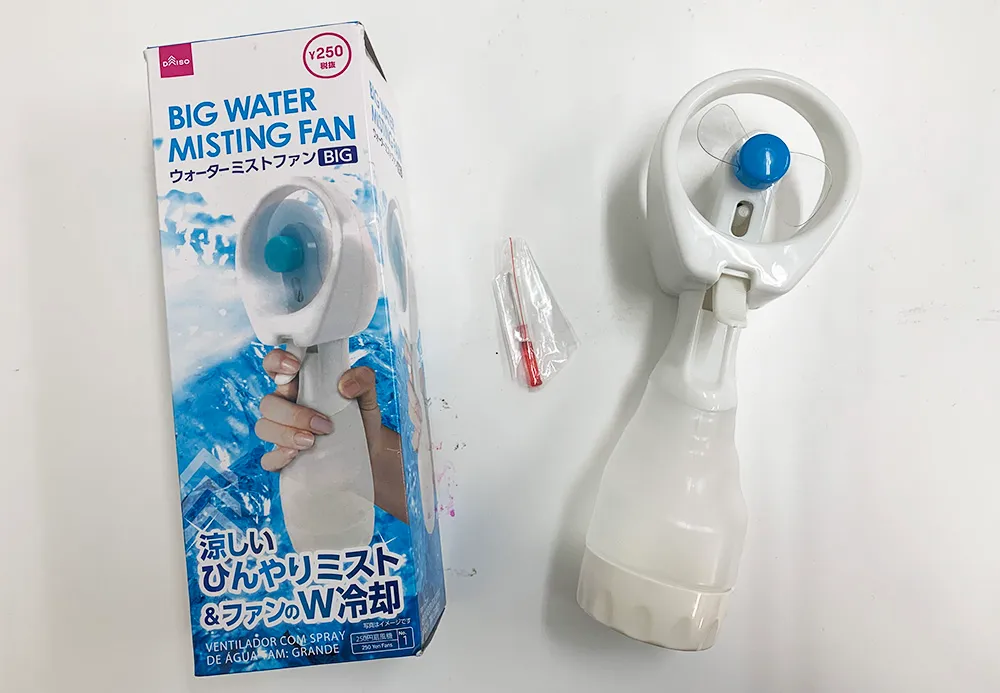
Compact fans and mini mist bottles (some rechargeable via USB) are bestsellers during summer. You’ll see them everywhere—at festivals, in parks, and on trains. They’re lightweight, effective, and cost just a few hundred yen.
2. Cooling Towels & Gel Sheets
Cooling towels—just wet, wring, and snap them for hours of chill—are a must-have. Gel sheets stick to your skin and instantly bring down body temperature. Locals often carry these for commuting or sightseeing.
3. Bottle Coolers & Drink Holders
Keep your water (or your convenience store iced coffee) cold with bottle coolers and insulated holders. On long journeys, these make a world of difference.
4. Other Smart Buys
- Travel-size sunscreen
- Pocket fans, folding fans (uchiwa/sensu)
- Disposable wet wipes
- Cheap sunglasses and hats
Where to Buy: 100-yen shops are found in almost every shopping mall and near major stations. Search for “Daiso” or “Seria” on Google Maps and check the seasonal section at the store entrance.

Convenience Store & Supermarket Hacks
Japanese convenience stores and supermarkets aren’t just for quick snacks—they’re secret weapons for surviving (and enjoying) the summer. Here’s how locals make the most of them:
1. Summer-Only Cold Sweets & Drinks
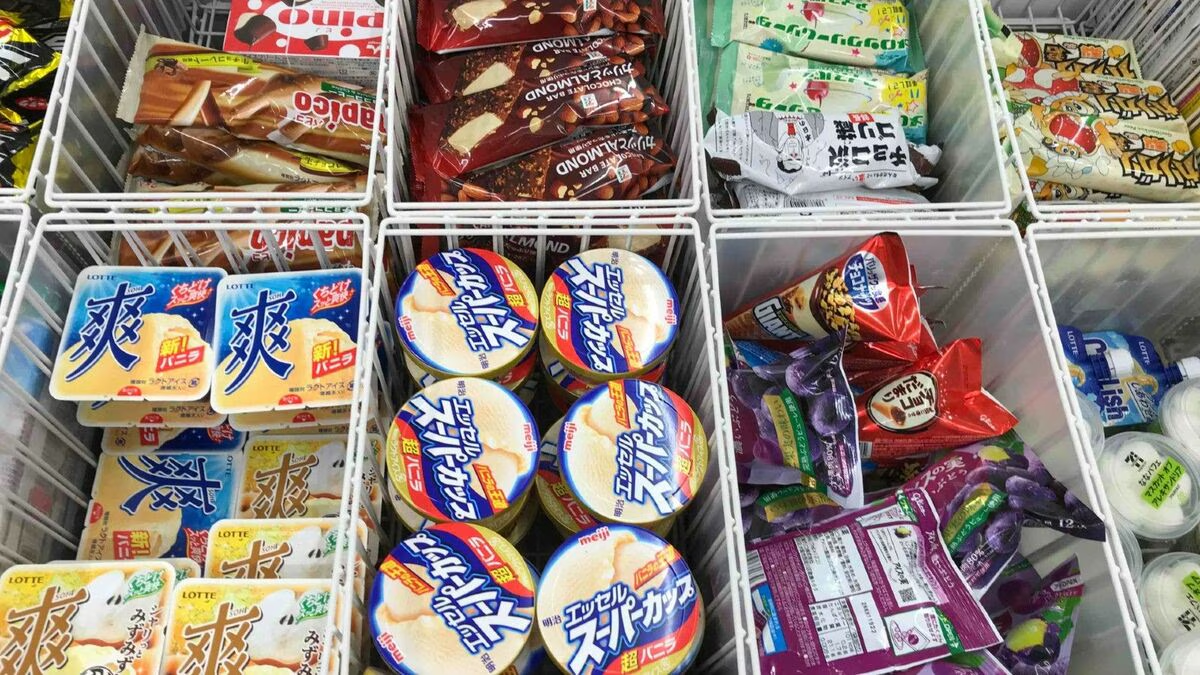
Major convenience chains like 7-Eleven, Lawson, and FamilyMart launch limited-edition cold desserts and drinks every summer: chilled dango, frozen fruit bars, café-quality iced smoothies, and more. Regional specials mean you’ll find unique flavors in every prefecture!
2. Cheap & Tasty Lunches
Onigiri (rice balls), chilled noodles, salads, and cold pastas fill the fridges. In summer, menus shift to lighter, refreshing meals. Pro tip: in Kyoto’s heat, I survived many afternoons thanks to FamilyMart’s cold ochazuke (rice in cold green tea) and hearty cold noodle bowls.
3. Local-Only “Secret Menu” Items
Look for regional and limited-edition goods—Hokkaido melon ice cream, Kansai’s mixed juice, or sushi boxes with local fish. Supermarkets also have “evening discount time” (after 6pm) where bento and sushi are sold at half price.

4. Eat-In Corners & Free Rest Spaces
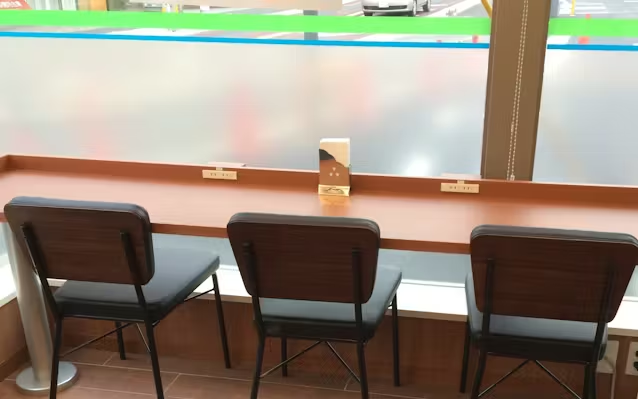
Many convenience stores and supermarkets have air-conditioned eat-in spaces where you can enjoy your food and rest. Important: When you use these, be sure to tell the cashier you’re eating in (just say “Eat in, please”). In Japan, the sales tax is higher (10%) for eating in than for takeout (8%), so it’s both a legal and cultural courtesy. Staff will appreciate your consideration!
Tip: Not all countries have this rule, and many foreign travelers don’t realize it—by following this custom, you show respect for local culture and avoid confusion.
Local Hot Springs & Water Spots on a Budget
Ready for a truly local summer adventure? Step beyond city limits and discover rivers, parks, and onsen (hot springs) that most tourists miss. Here’s where to find cool breezes and authentic Japanese relaxation:
1. Riverside Parks Near the City
The banks of the Tama River (Tokyo), Kamo River (Kyoto), or Yodo River (Osaka) are popular with locals for evening walks, picnics, and even paddle sports. Some parks have pop-up splash zones for kids or cool mist features for families. Always check the local rules—some areas ban BBQs or swimming, and cleaning up after yourself is a must!

2. Local Hot Springs & Sento (Bathhouses)
Forget the cliché—hot springs aren’t just for winter! In summer, you can enjoy relaxing baths and cool “post-bath” spaces at famous spots like Hakone, Odaiba Oedo Onsen, or Arima. Urban neighborhoods have public sento bathhouses for just a few hundred yen. Many now offer English signage and towel rentals.
- Always wash thoroughly before entering the bath.
- Do not bring towels or swimsuits into the water, except for facilities with designated swimsuit areas (check signage!).
- Large tattoos may not be allowed—confirm in advance.

Want to learn more? For an in-depth guide to onsen etiquette and the best tourist-friendly hot springs, check out our special article: How to Enjoy Japanese Hot Springs Like a Pro
3. Secret Beaches & Local Pools
If you want a quiet day by the water, avoid famous crowded beaches and seek out smaller coves and “secret” local beaches—like Miura Kaigan (Kanagawa), Shirarahama (Wakayama), or Karatsu Bay (Saga). Be mindful: Japanese beaches have designated swimming zones and strict noise/gathering rules. Always take your trash with you.

4. Small Town Festivals & Summer Events
Outside the big cities, summer means matsuri (festivals) in every small town. Expect traditional dances, street food, lanterns, and friendly locals. Don’t be shy—join in the fun and you might get invited to neighborhood celebrations most tourists never see.

Must-Have Apps & Services for a Hassle-Free Summer
Your phone can be your best travel buddy! Japan’s summer is easier (and safer) with the right apps—here’s what locals and savvy visitors use:
- Weather & Heat Alerts: tenki.jp and Yahoo! Weather show daily temperatures, heatstroke risk, and even “umbrella alerts” for sudden storms.
- Finding Cool Cafés & Rest Spots: Use Google Maps to search “café” or “休憩所” (rest area), and check live crowd data. Apps like Tabiko and Japan Travel by NAVITIME offer concierge support in English.
- Transportation & Discount Passes: Japan Rail Pass and Tokyo Subway Ticket apps help you navigate train systems and save money. Don’t forget IC card apps like Suica (Apple/Google Pay).
- Translation & Emergency: Google Translate, DeepL, and Japan Official Travel App provide translation and safety information.

Tip: Download and test these apps before your trip, so you’ll be ready if you lose signal or need help in a hurry.
Common Summer Travel Mishaps in Japan (and How to Avoid Them)
Even seasoned travelers can run into trouble in the Japanese summer. Here are the biggest risks—and how to handle them like a pro:
1. Heatstroke & Dehydration
Temperatures over 35°C and high humidity mean heatstroke is a real danger. Always carry water, take breaks in cool places, and use hats or sun umbrellas. If you feel dizzy or sick, rest indoors and ask for help (“Help, I feel sick” is enough—staff and bystanders are usually happy to assist).
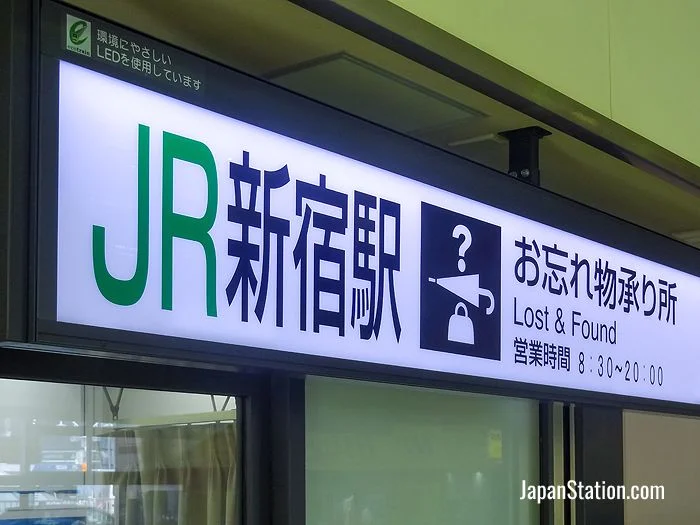
2. Lost Luggage & Belongings
If you lose something, act fast—report to the nearest staff member, station office, or police box (“koban”). Japanese lost and found systems are famously efficient, so chances are good your item will be found.
3. Getting Lost in Big Cities
Japanese train stations and summer events can be huge and confusing. Always share your exact meeting spot pin in advance, use visible landmarks (“Exit #, Starbucks entrance,” etc.), and stay connected with a SIM or Wi-Fi. Use Google Maps to set “favorite” places.
4. Medical Help & Pharmacies
If you get sick or hurt, search for pharmacy or clinic on Google Maps. Many places have English support, and hotel front desks or tourist info centers will assist you. Emergency numbers: 119 (ambulance/fire), 110 (police).
Pro Tip: Download Japan Official Travel App for up-to-date safety and emergency info in English and other languages.
Summary & Related Articles
Japan’s summer can be tough—but with the right hacks, a little local wisdom, and an open mind, it can also be the most unforgettable adventure of your travels. Cool off in underground cities, savor cold sweets from a konbini, soak in a hot spring, or join a local festival—these experiences simply aren’t in the standard travel guides.
Remember: Respect the local rules and customs, especially in shared spaces like baths or public parks. A little cultural understanding goes a long way in making your trip smooth and memorable.

Related Articles
Japan’s summer is as rewarding as it is challenging. Master these local secrets, and your trip will be cooler, safer, and more unforgettable than you ever imagined.


